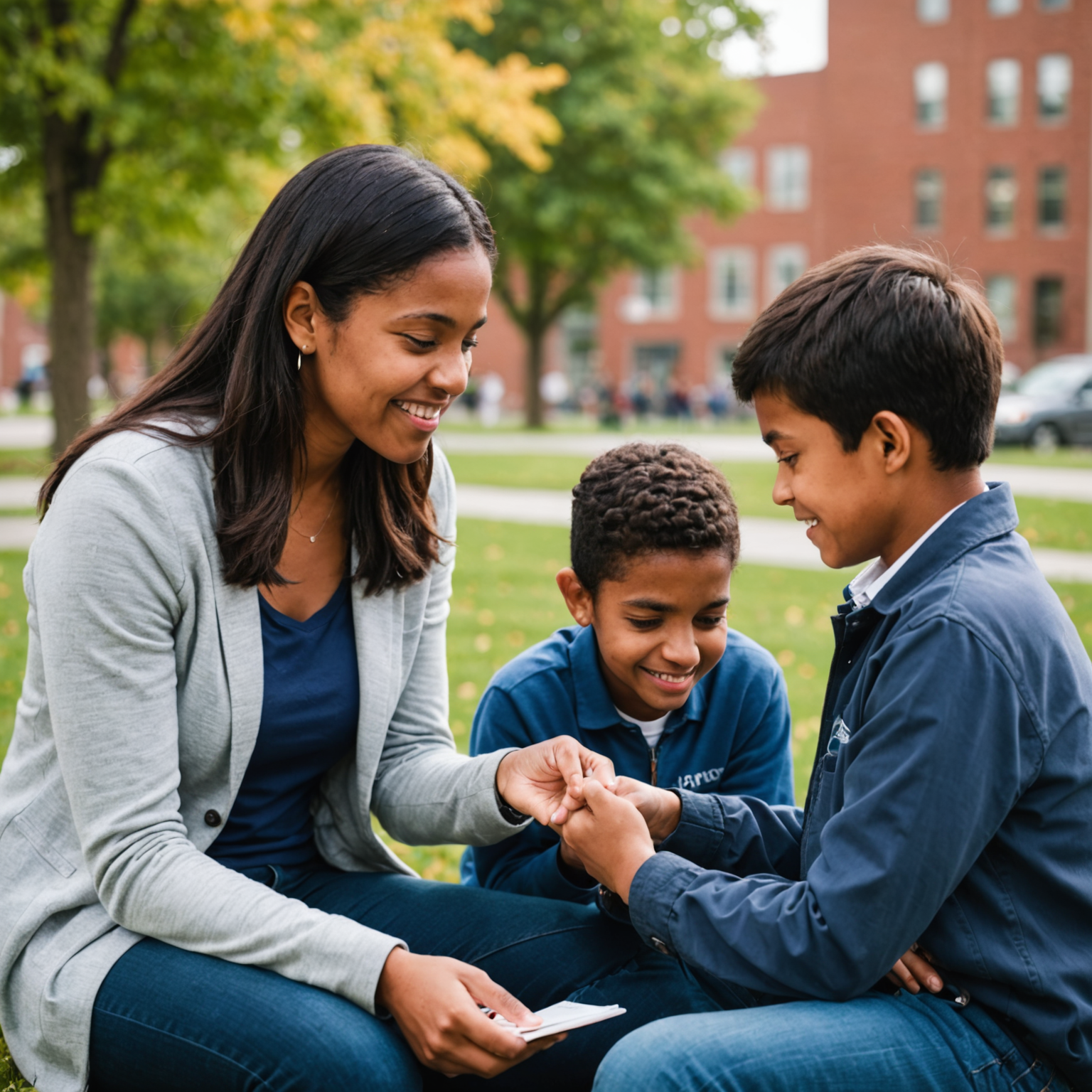
Amin sat in the back of my office, tracing the edges of his notebook. He had been at our high school for three weeks, yet his eyes remained fixed on the floor. When I asked about his day, he offered a polite, practiced nod—the universal shield of the newcomer. It wasn't until I stopped asking about his grades and instead asked about the music he used to listen to back home that his shoulders finally dropped. For a moment, the weight of navigating a new language, a new school system, and a new identity shifted, revealing the vibrant, thoughtful student hidden beneath the survival mode of acculturation.
The transition for newcomer students is not merely academic; it is an ontological upheaval. As counselors, we are the architects of the bridge between their past and their potential.
To effectively nurture this well-being, we must move beyond logistics. First, implement a "Strength-Based Mapping" session. Instead of focusing on what the student lacks—language proficiency or prior credit—ask them to map out their skills: Did they help run a family business? Were they a caregiver for younger siblings? When we validate these "invisible" competencies, we shift their internal narrative from deficit to asset.
Second, leverage Culturally Responsive Peer Mentoring. Pair newcomers with students who share their linguistic background but are further along in the integration process. This reduces the isolation of the "other" and provides a safe space for nuanced social navigation that an adult cannot replicate.
Grounding your approach in the Ecological Systems Theory is essential here. Recognize that the student isn't struggling in a vacuum; they are navigating the friction between their home culture (microsystem) and the school environment (exosystem). Our role is to act as the primary liaison, adjusting the school’s response to be as flexible as the student is resilient.
In Practice: I once worked with a newcomer named Elena who felt alienated by her AP biology class. By coordinating with her teacher to allow her to submit a scientific process diagram labeled in her native Spanish alongside English terms, we bypassed her language barrier. She didn't just understand the concepts; she thrived, eventually serving as a tutor for other students.
The success of a newcomer is rarely a matter of raw intelligence; it is a matter of perceived belonging. Your task is to ensure they know they are not starting over, but rather adding a powerful new chapter to an already rich narrative.
Your Actionable Takeaway: This week, identify one newcomer student and spend ten minutes in a non-academic check-in. Ask them one question about their life before the move that requires more than a yes/no answer. Listen to the story behind the data, and use that context to frame every future interaction you have with them. When you change the way you see them, you change the way they see their future.