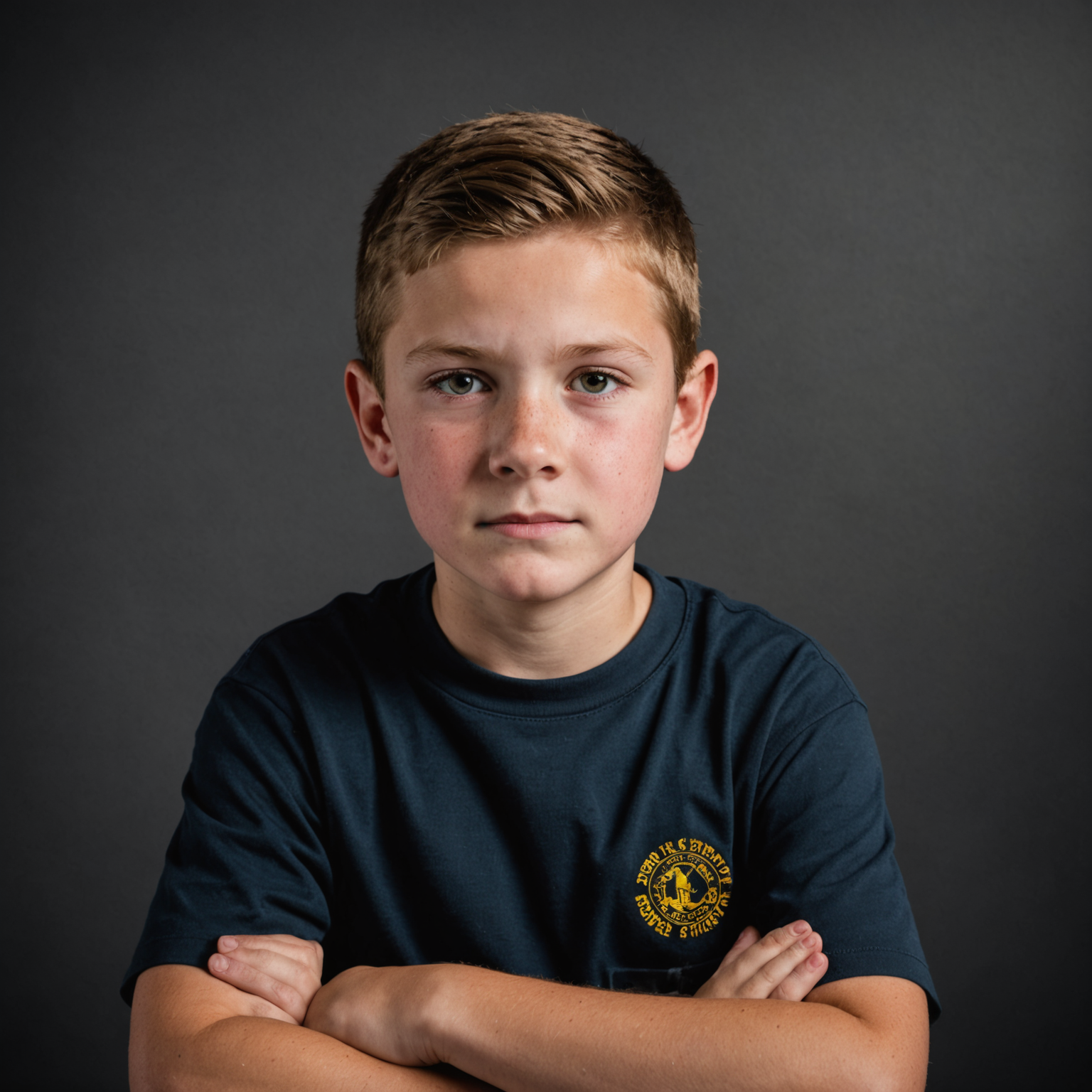
The quiet hum of the office was a stark contrast to the storm brewing inside Maya. She’d spent her lunch hour hiding in the library, a familiar sanctuary after a particularly brutal morning. Liam, a classmate she barely knew, had cornered her by the lockers, his words sharp, laced with the usual taunts about her accent and her worn-out backpack. Maya felt the familiar prickle of tears, the hot shame that always followed, but this time, something else simmered beneath the surface: a flicker of defiance. She’d endured this for months, the whispers, the pointed stares, the gnawing isolation. Today, the weight felt unbearable, yet she also felt a nascent strength, a whisper of "enough."
As counselors, we witness these moments of quiet suffering daily, the invisible wounds left by bullying. Our role is not just to bandage the immediate hurt, but to help individuals like Maya transform those scars into stories of resilience. This isn't about erasing the past, but about reframing it, about recognizing that the very experiences that sought to diminish them have, paradoxically, forged a unique strength.
One powerful approach is Narrative Therapy. This evidence-based framework views individuals as separate from their problems. Instead of seeing Maya as a victim of bullying, we help her to see her story of bullying. We can collaboratively explore the "dominant narrative" that bullying has imposed – one of weakness, isolation, and worthlessness. Then, we work to uncover "unique outcomes" or "sparkling moments" where Maya resisted, where she found inner strength, or where she sought support. Even small acts of defiance, like Maya’s flicker of defiance, become powerful counter-narratives. For instance, you might ask, "When Liam said X, what did you think or feel inside that he didn't see?" or "Tell me about a time you felt a sense of control, however small, during those difficult moments."
Another practical strategy is empowering through skill-building. Often, those targeted by bullying feel powerless. We can work on assertive communication techniques, role-playing scenarios where they can practice setting boundaries and expressing their feelings calmly and firmly. This isn't about aggression, but about reclaiming agency. Imagine practicing a script with a client: "When you say X, I feel Y, and I need Z." We can also focus on building social skills and fostering supportive peer connections, helping them identify and cultivate positive relationships that act as a buffer against bullying.
Finally, trauma-informed care is paramount. Recognizing that bullying can be a traumatic experience, we need to create a safe, predictable, and empowering environment. This means being mindful of triggers, offering choices whenever possible, and prioritizing the client's sense of safety and control in the therapeutic space.
In practice vignette: Sarah, a middle school counselor, worked with a student named Alex who had been relentlessly teased about his stutter. Alex initially presented with significant anxiety and avoidance. Sarah used narrative therapy to help Alex reframe his stutter. Instead of a mark of shame, they explored it as a unique characteristic, a pause for thought, a rhythm of his speech. They also worked on assertiveness skills, role-playing responses to teasing. Alex eventually developed a confident comeback, "My words might take a moment, but they're worth waiting for." This shifted his internal narrative and his external interactions.
Our ultimate goal is to guide individuals from feeling defined by their scars to becoming the authors of their own resilient stories. As you leave this session, remember this: your presence, your active listening, and your belief in their inherent strength are the most powerful tools you possess in helping them forge that resilience.