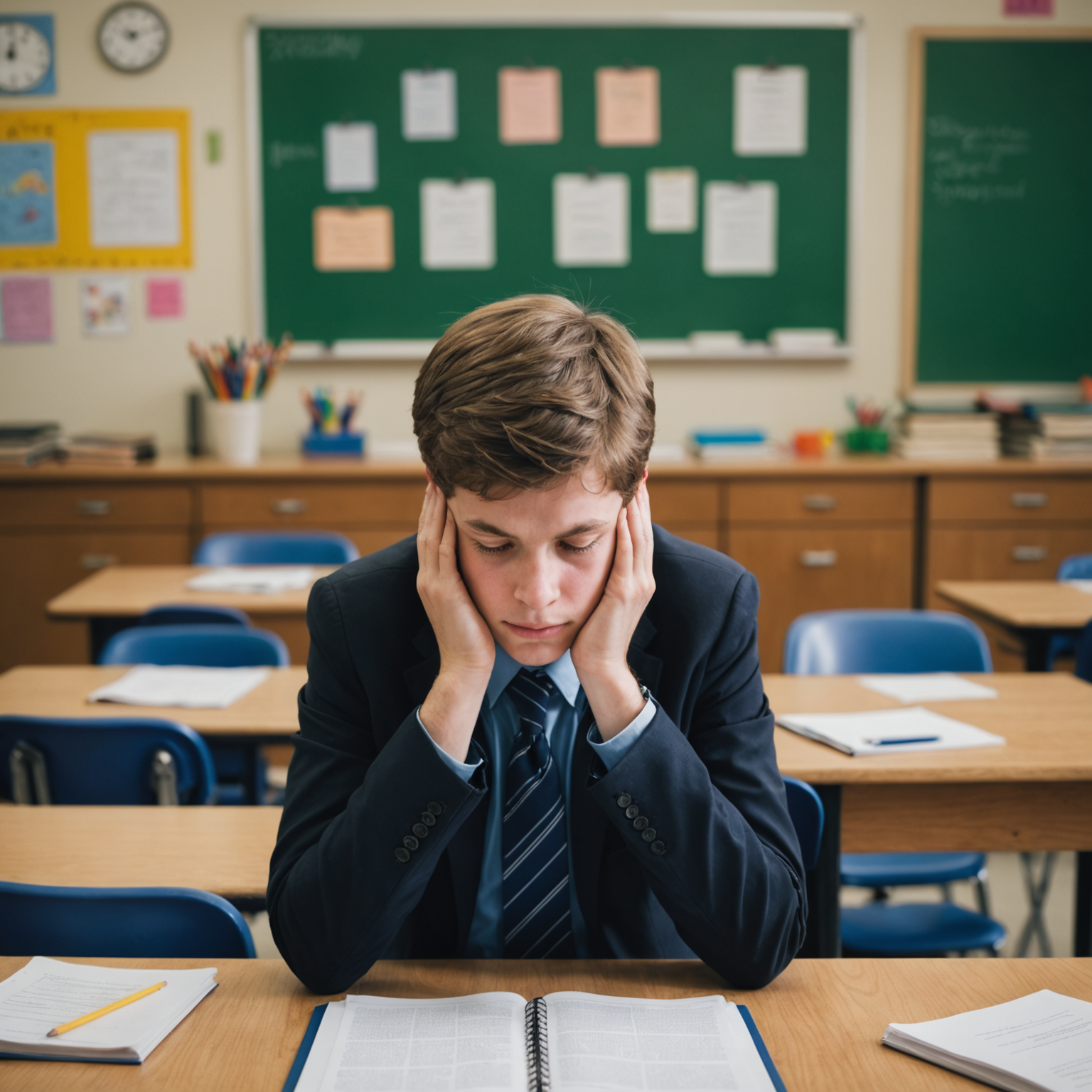
Sarah, a bright-eyed ten-year-old, used to bound into her classroom, eager to learn. Lately, though, she’s been withdrawn, her once-sparkling eyes often downcast. Her grades are slipping, and she’s frequently absent, citing vague stomach aches. Her teacher, concerned, has tried reaching out, but Sarah just shrugs, offering no explanation. This isn't an isolated incident; across our schools, a quiet epidemic is unfolding, impacting countless students like Sarah, whose struggles often manifest not in dramatic outbursts, but in a silent retreat from life. The mental health of our young people is at a critical juncture, and the demand for robust, accessible support within educational settings has never been more urgent.
We, as counselors, are on the front lines of this crisis. Our role is pivotal in identifying these subtle shifts and intervening before they escalate. One crucial strategy is implementing proactive mental health check-ins. This isn't about waiting for a student to present with a crisis. It’s about weaving brief, informal conversations into the fabric of our school day. A quick, "How are you really doing today?" as a student passes by your office, or dedicating the first five minutes of a group session to a "mood check" using a simple emoji scale, can open doors. These small gestures normalize talking about feelings and provide early indicators of distress.
Another vital approach is to foster trauma-informed practices throughout the school community. Understanding that many students may have experienced adverse childhood experiences (ACEs) shifts our perspective from "What's wrong with this child?" to "What happened to this child?" This framework, grounded in the work of experts like Dr. Nadine Burke Harris, guides us to create environments that are safe, trustworthy, and empowering. For us, this translates into consistent routines, clear communication, and a focus on building strong, supportive relationships with students, even those who present with challenging behaviors. Instead of viewing defiance as a personal affront, we can explore the underlying unmet needs it might represent.
Furthermore, we must prioritize collaborative care models. This means actively partnering with parents, teachers, and external mental health professionals. When Sarah’s teacher shared her observations with you, you were able to connect with Sarah’s parents, who were unaware of the extent of her struggles at school. Together, you developed a shared understanding and a plan, involving a referral to a child therapist. This coordinated effort is far more effective than isolated interventions.
In practice: Mr. Davies, a high school counselor, noticed a cluster of students exhibiting increased anxiety around exam periods. Instead of waiting for individual crises, he initiated a weekly "Stress Buster" group during lunch. He provided practical coping mechanisms like deep breathing exercises and mindfulness techniques, drawing on principles from Cognitive Behavioral Therapy (CBT). The students reported feeling more equipped to manage their stress, and the number of anxiety-related absences decreased.
The data is undeniable: our students are facing unprecedented mental health challenges. As counselors, we are uniquely positioned to be agents of change. Our focus must be on building resilient individuals and supportive school environments. The takeaway is clear: we need to move beyond reactive measures and embrace proactive, integrated mental health support. Let's commit to making these strategies our standard practice, for the well-being of every student who walks through our school doors.