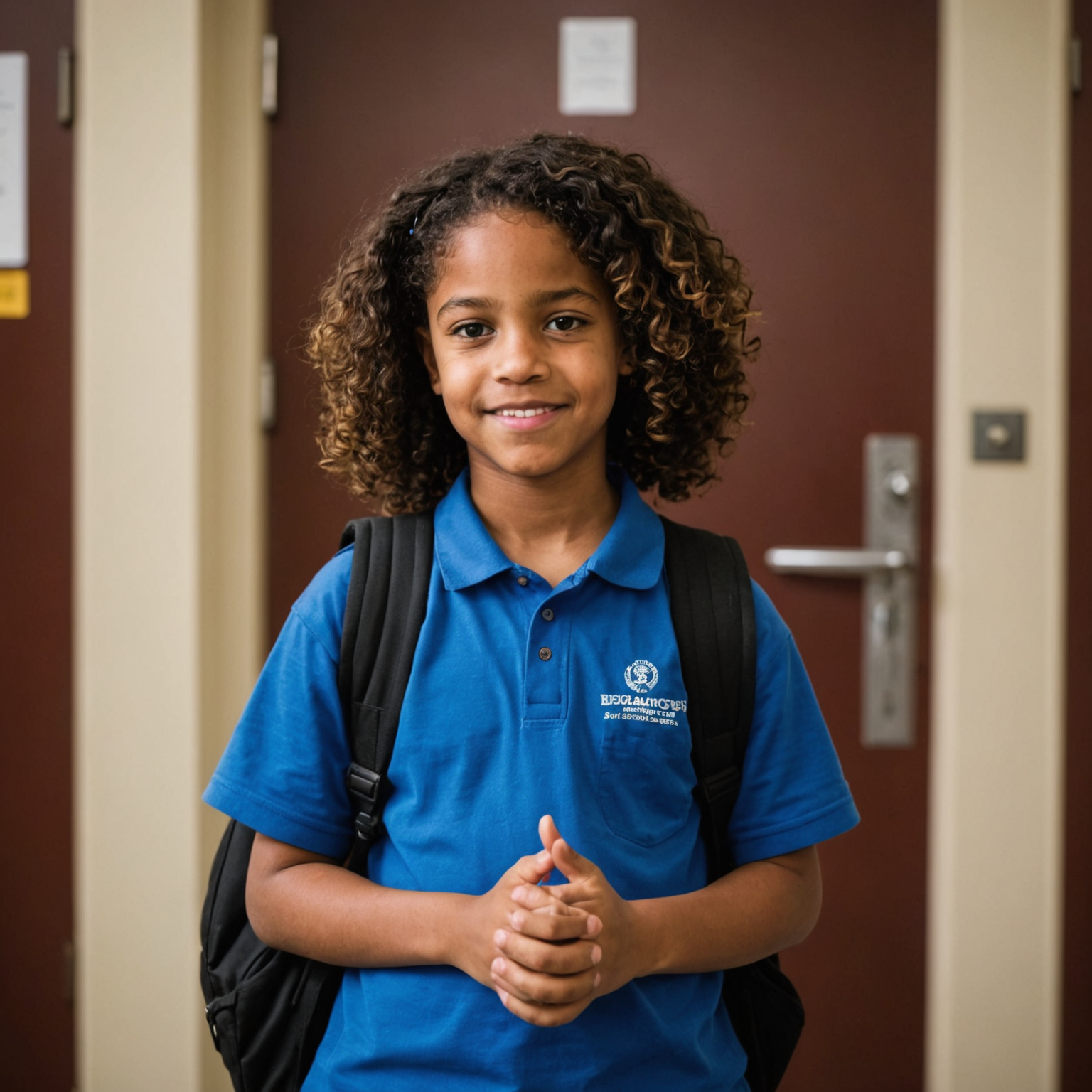
The frantic calls from parents, the growing pile of unexcused absences, the vacant seat in the classroom – chronic absenteeism and its more acute sibling, school refusal, are not just logistical challenges; they are profound signals of distress. Consider Sarah, a bright seventh-grader who, after a period of bullying, began finding excuses to stay home. Her parents, at first attributing it to a phase, soon found themselves locked in a daily battle, the school’s concern escalating with each missed day. This isn't just about missing lessons; it's about a child’s well-being eroding, their social and academic future hanging precariously in the balance. For counselors, understanding the 'why' behind the 'won't go' is paramount.
Often, the root of absenteeism lies not in defiance, but in deeply embedded anxieties, unmet needs, or traumatic experiences. It's crucial to move beyond simply addressing the symptom of absence and instead, delve into the underlying causes. One powerful strategy is implementing a multi-tiered system of support (MTSS), specifically focusing on the universal and targeted intervention levels. At the universal level, this means fostering a school-wide climate of belonging and psychological safety. Simple initiatives like peer mediation programs, explicit social-emotional learning (SEL) lessons on conflict resolution and emotional regulation, and consistently visible, approachable counseling staff can create an environment where students feel more secure and connected.
For students exhibiting early signs of distress, targeted interventions are key. A practical approach here is solution-focused brief therapy (SFBT). Instead of dwelling on the problem, SFBT guides the student and their family toward envisioning a preferred future. Ask questions like, "What would be different on a good day?" or "What small step could you take tomorrow that would move you closer to being at school?" This empowers students by focusing on their strengths and existing coping mechanisms, however small. For instance, if a student admits to feeling overwhelmed by social interactions, an SFBT approach might explore times they did manage to talk to someone, identifying what made that possible and how to replicate it.
Another vital strategy involves collaborative problem-solving with families. Parents are often as distressed and confused as the student. Schedule a joint meeting, involving the student, parents, and key school personnel (teacher, administrator, counselor). The goal is not to assign blame, but to create a shared understanding and a unified plan. Use active listening to validate parental concerns and student anxieties. Break down the return to school into manageable steps. This could involve a gradual return, starting with a few hours, or identifying a safe space within the school where the student can decompress if needed.
In practice, a school counselor noticed a significant increase in tardiness and absences for a group of students from a particular neighborhood. Instead of issuing detentions, they initiated a lunchtime "check-in" group, creating a safe space to discuss anxieties about home life, peer pressures, and academic stress. They also partnered with a local community center to offer workshops for parents on stress management and positive discipline. This proactive, community-integrated approach began to shift the tide, with attendance rates showing a measurable improvement.
As counselors, our role is to be detectives of distress, not just enforcers of attendance. By looking beyond the classroom door and addressing the underlying issues with empathy and evidence-based strategies, we can help students not just return to school, but truly thrive. Your actionable takeaway: proactively identify students exhibiting early warning signs of disengagement and initiate a collaborative, strength-based conversation with them and their families before absenteeism becomes entrenched.