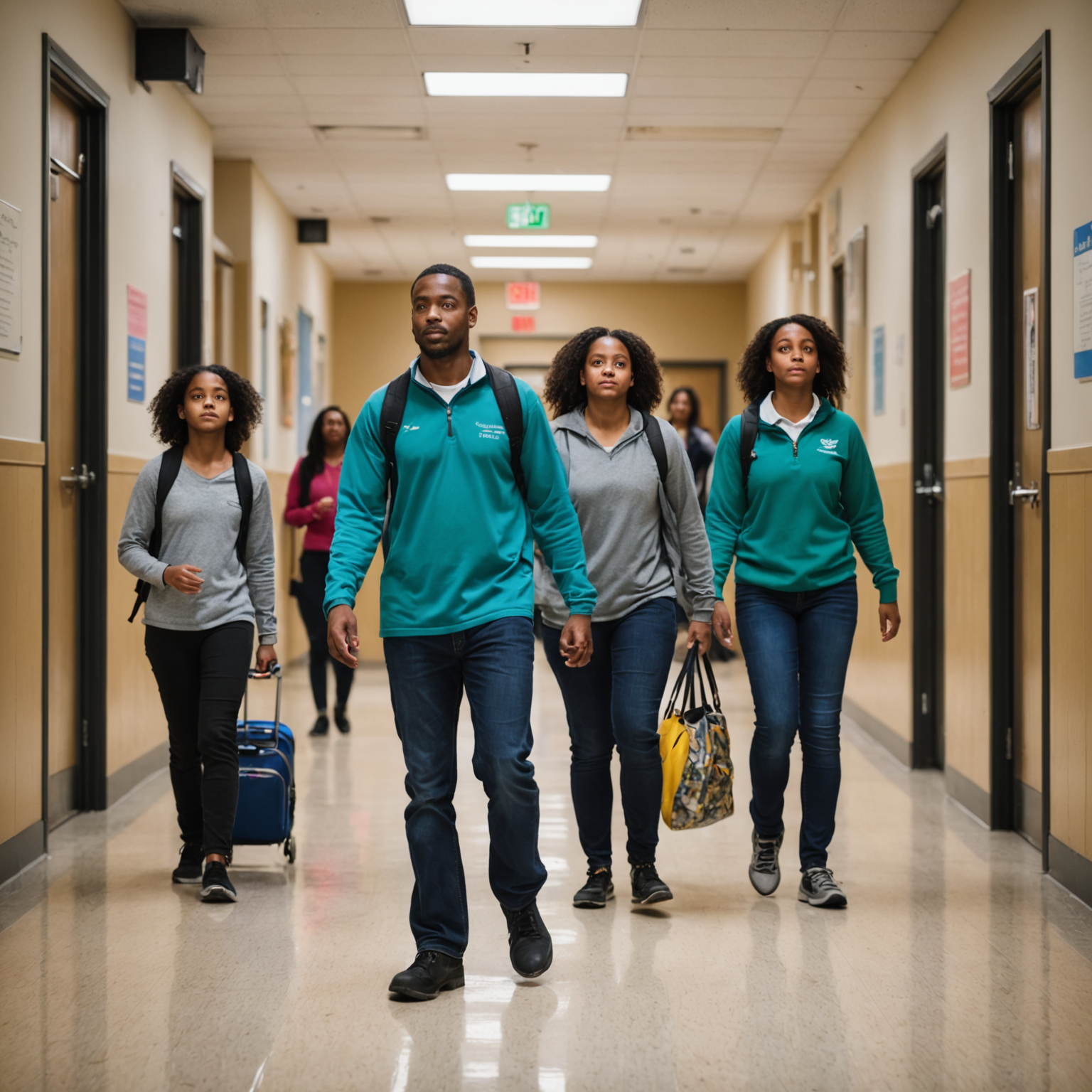
The tremor in Maya’s hands wasn’t just nerves before her history presentation. It was a familiar echo of the night her family lost their home to a fire, the acrid smell of smoke a phantom scent that still clung to her. For weeks, her grades had plummeted, she’d withdrawn from friends, and her once-bright eyes held a perpetual shadow. Her counselor, Mr. Evans, noticed the shift. Instead of immediately focusing on the missed assignments, he began by acknowledging the unspoken. He didn’t pry, but offered a quiet space, a consistent presence, and the gentle reassurance that Maya was safe here. This subtle shift, from a deficit-based approach to one rooted in understanding and safety, is the heart of trauma-informed practices in our schools.
Trauma, whether acute or chronic, significantly impacts a student's ability to learn, connect, and regulate their emotions. It can manifest in a myriad of ways: anxiety, aggression, withdrawal, difficulty concentrating, and a pervasive sense of distrust. As counselors, we are often the first line of defense, the safe harbor in a storm. Embracing trauma-informed practices means recognizing that behaviors we might interpret as defiance or disinterest are often survival responses. It’s about shifting our perspective to ask, "What happened to this student?" rather than "What's wrong with this student?"
One crucial strategy is fostering physical and emotional safety. This extends beyond locked doors. It involves creating predictable routines, offering choices whenever possible (even small ones, like where to sit in the office), and consistently communicating expectations with a calm, steady demeanor. For Maya, Mr. Evans’ consistent availability and the predictable structure of their weekly check-ins provided a much-needed anchor.
Another powerful tool is building trust through authentic connection. This requires patience and a willingness to meet students where they are. Instead of pushing for immediate disclosure, focus on active listening, validating their feelings without judgment, and demonstrating empathy. A simple phrase like, "It sounds like that was incredibly difficult," can open doors that a direct interrogation would slam shut. Remember the Self-Determination Theory? When students feel competent, autonomous, and connected, their intrinsic motivation and resilience increase. Trauma often erodes these feelings, so our role is to help rebuild them.
Consider the concept of empowerment and collaboration. Involve students in problem-solving whenever appropriate. For a student struggling with attendance, instead of simply assigning detention, a trauma-informed approach might involve a collaborative conversation about barriers to coming to school and co-creating solutions. This might look like identifying a trusted peer buddy, exploring transportation options, or developing coping strategies for morning anxiety.
In practice vignette: Ms. Chen, a middle school counselor, noticed a student, Alex, consistently acting out during transitions. Instead of immediate punitive measures, she scheduled a brief, private chat. She started by saying, "Alex, I've noticed the hallways seem to be a bit overwhelming lately. Is there anything we can do to make those moments a little easier for you?" Alex, surprised by the gentle inquiry, hesitantly shared that the noise and crowds triggered a feeling of panic. Together, they devised a plan for Alex to use a quiet hallway pass and a designated calming corner in the library.
Our work in schools is profound. By integrating trauma-informed principles, we’re not just addressing behavioral issues; we’re actively contributing to healing. The takeaway is clear: Prioritize safety, build trust, and empower students. These are the foundations upon which resilient learners and thriving individuals are built.