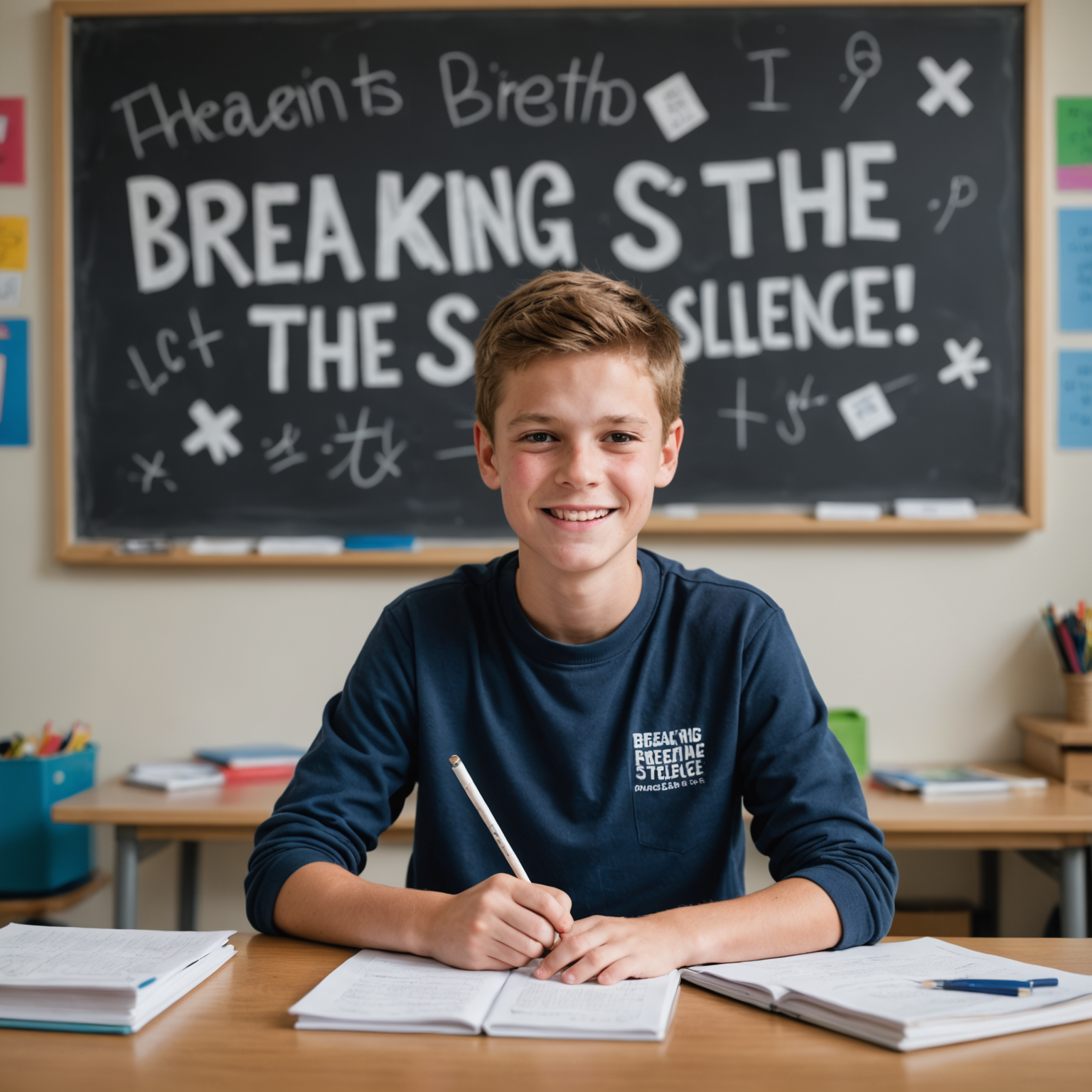
Imagine a bright, energetic student, always the first to volunteer, acing every test. On the outside, they seem to have it all together. Yet, beneath the surface, a silent battle rages. This student might be wrestling with crippling anxiety, feeling too ashamed to admit they’re struggling, fearing judgment or being labeled "weak." Or consider the quiet teenager who suddenly withdraws, their laughter replaced by a heavy silence, their parents and teachers perplexed, unsure how to reach them. This is the pervasive impact of mental health stigma, a silent barrier that prevents so many from seeking the help they desperately need. It’s a whisper that says, “You’re alone,” and “This is something to hide.” Our role as counselors is to amplify the voices of hope and understanding, to actively dismantle these barriers, and create environments where vulnerability is met with compassion.
Fortunately, fun, engaging campaigns can be powerful tools for shattering these silences. Think beyond the traditional posters and lectures. One effective strategy is a "Mental Health Story Slam." Counselors can invite students to anonymously submit short, personal stories (written or even pre-recorded audio) about overcoming challenges, seeking support, or simply navigating difficult emotions. These stories, curated and presented in a safe, facilitated environment (perhaps during an assembly or a dedicated lunch club), can normalize experiences and foster empathy. The anonymity aspect is crucial here, allowing for genuine sharing without fear of immediate personal repercussions. Another engaging approach is a "Kindness Chain Reaction." This involves a school-wide challenge where students and staff are encouraged to perform random acts of kindness, with a focus on mental well-being. This could be as simple as leaving positive notes for peers, offering a listening ear, or participating in mindfulness exercises together. Each act is a small ripple, contributing to a larger wave of positivity and reinforcing the idea that caring for each other's mental state is a collective responsibility.
We can also leverage the power of creative expression through a "Mind Matters Art Exhibit." Students can submit artwork, poetry, or even short films that explore themes of mental health, resilience, and self-care. This provides a visual and artistic outlet for processing emotions and can spark conversations in a less direct, more accessible way. This approach aligns with the principles of Narrative Therapy, which emphasizes the power of stories in shaping our understanding of ourselves and our experiences. By creating and sharing narratives around mental health, we can begin to reframe them from sources of shame to opportunities for growth and connection.
In practice, a high school counselor organized a "Stress-Busting Playlist" campaign. Students were invited to submit songs that helped them cope with stress. The playlist was shared on the school's internal platform, and during lunch, a designated "Chill Zone" played a curated selection. Students who contributed were recognized with small tokens, and the campaign led to informal conversations about healthy coping mechanisms. It was simple, student-driven, and surprisingly effective in opening up discussions.
Our goal isn't just to raise awareness; it's to cultivate a culture of open dialogue and genuine support. So, let's get creative. Let's make mental health a topic we can talk about, laugh about, and most importantly, support each other through. Your next campaign could be the catalyst that helps a student finally break their silence.