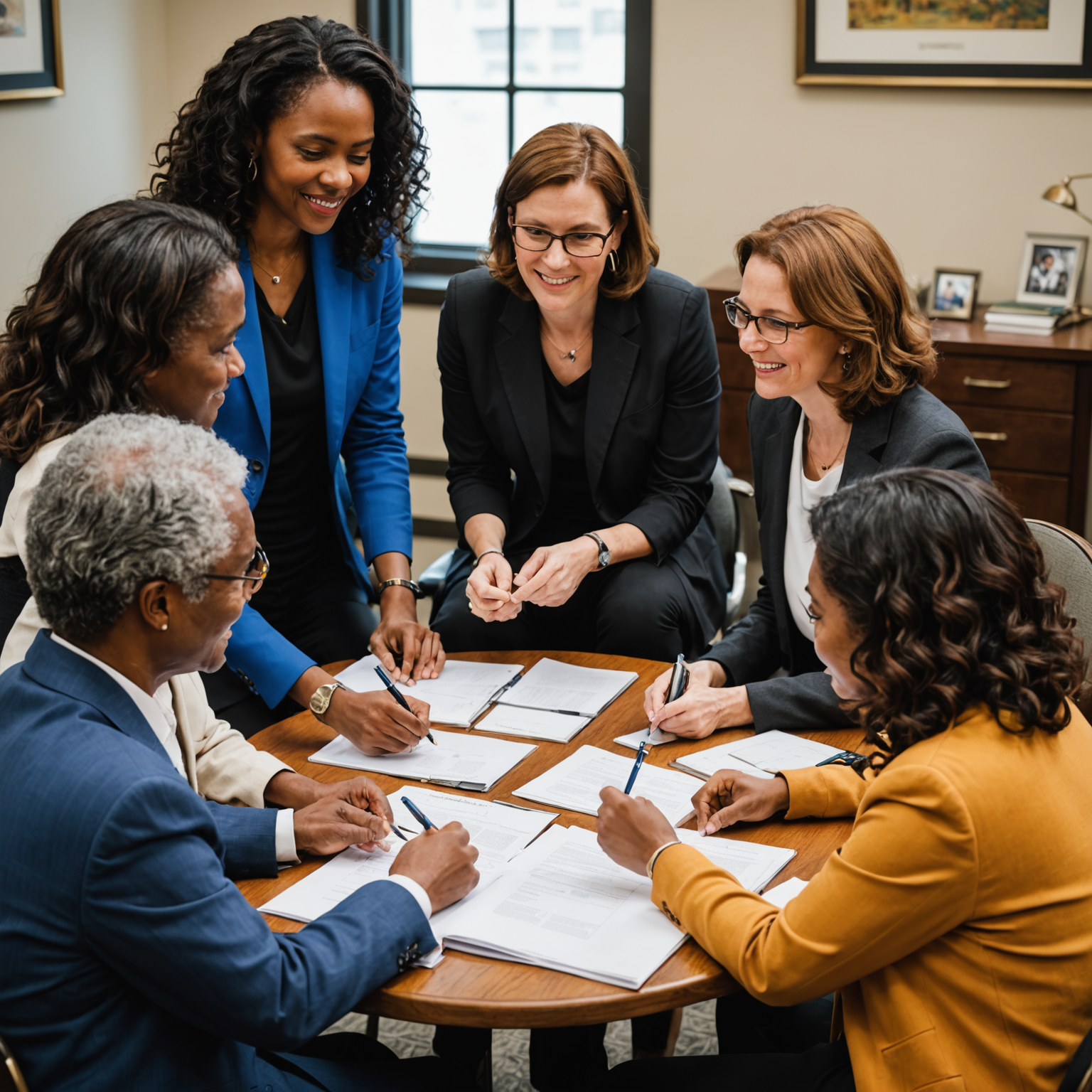
Sarah, a seasoned school counselor, felt a familiar pang of frustration. Her latest initiative, a peer mentoring program, was technically "launched." Posters adorned the hallways, a signup sheet was circulated, and a few enthusiastic upperclassmen had volunteered. Yet, the connections felt superficial. Mentees seemed hesitant to open up, and mentors, while well-intentioned, often struggled to guide conversations beyond homework help. It wasn't quite the transformative experience she'd envisioned. The buzzwords – "support," "guidance," "connection" – felt hollow when the reality on the ground was less impactful.
Across town, in a bustling corporate setting, Mark, a training manager, faced a similar challenge. His company had implemented a "buddy system" for new hires. While it helped with onboarding logistics, the intended psychological safety and knowledge transfer were sporadic. New employees often felt like they were bothering their assigned buddies, and the informal mentorship rarely delved into the unwritten rules or the emotional nuances of navigating a new workplace. Both Sarah and Mark were grappling with a common problem: how to move beyond the idea of peer mentorship to a program that genuinely fosters growth and well-being.
The key lies in intentional design and structured support, moving beyond simply pairing individuals. First, focus on skill-building for mentors. Instead of assuming natural leadership, equip your peer mentors with essential communication and active listening skills. This can involve short, focused workshops. For instance, teach them the "SOLER" technique (Sit squarely, Open posture, Lean forward, Eye contact, Relax) to convey attentiveness. Role-playing common scenarios, like a mentee expressing anxiety about a presentation or feeling overwhelmed by workload, can provide invaluable practice.
Second, implement structured check-ins and facilitated conversations. This provides a framework for meaningful interaction and prevents conversations from stagnating. For school counselors, this might mean providing mentors with themed discussion prompts for their weekly meetings, such as "What’s one challenge you overcame this week and how did you do it?" or "What’s something you’re looking forward to in the next month?" Corporate settings can use similar prompts, perhaps focusing on navigating team dynamics or identifying professional development opportunities. This aligns with the principles of Social Cognitive Theory, which emphasizes reciprocal determinism – the idea that behavior, environment, and cognitive factors all interact and influence each other. By providing a supportive environment and teaching cognitive strategies, we empower individuals to learn and grow.
Finally, establish clear roles and boundaries from the outset. Mentees need to understand what they can expect from their mentors, and mentors need to know their limitations. This isn't about discouraging deep connections, but about ensuring safety and effectiveness. For counselors, this means explicitly stating that peer mentors are not therapists or academic tutors, but rather supportive guides and sources of shared experience.
In Practice Vignette: At Northwood High, peer mentors for freshmen were trained in active listening. During a check-in, a freshman mentee, Maria, mentioned feeling isolated. Her mentor, Jake, instead of offering quick advice, used reflective listening: "So, it sounds like you're feeling a bit on your own right now, is that right?" This simple technique opened the door for Maria to elaborate, and Jake was then able to share his own initial feelings of isolation and how he navigated them, creating a genuine connection.
The takeaway for you, as counselors, is to shift from a passive approach to an active, intentional one. Invest in training your peer leaders, provide structured opportunities for connection, and set clear expectations. When we move beyond the buzzwords and focus on practical application, peer mentorship programs can truly become powerful engines for positive change and well-being.