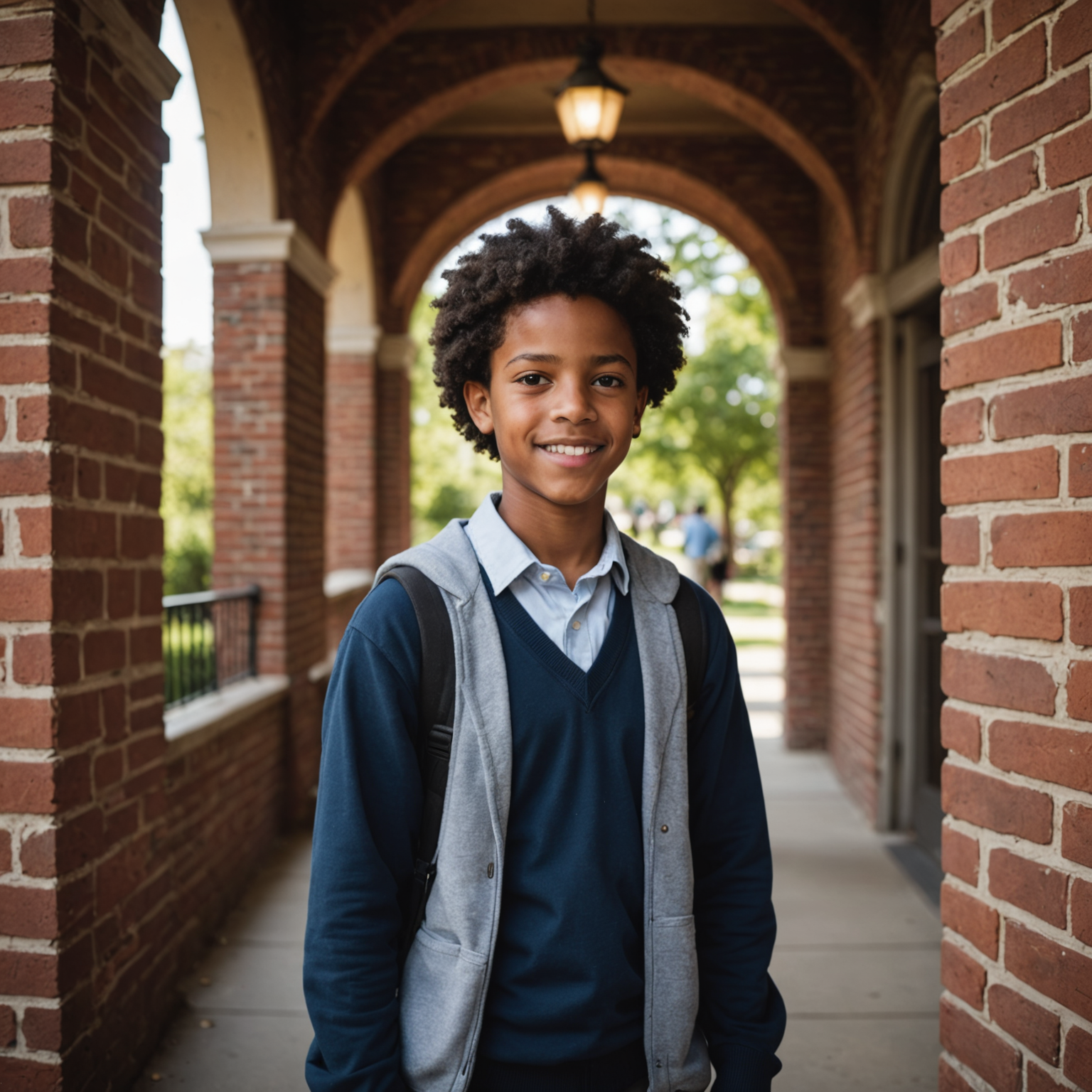
Maya, a bright tenth-grader, arrived at her third school this year with a backpack that held her entire life and a permanent, guarded silence. When her math teacher asked for her previous transcript, she simply looked at the floor. Maya wasn’t being difficult; she was overwhelmed by the impossible task of explaining her fragmented academic history while navigating the trauma of a recent placement change. For students in foster care, the classroom is often a secondary concern to the instability of their home life.
As counselors, we cannot fix the systemic instability of the foster system, but we can act as the "educational anchor" these students desperately need. When a student’s life is in constant flux, the school must be the one place that remains predictable.
First, implement a "Warm Hand-off" protocol. When a student transfers, don't wait for official records to arrive. Create a brief, internal "Student Snapshot" that highlights their existing strengths and preferred learning styles rather than just their behavioral incidents. This allows new teachers to connect with the student’s potential on day one, shifting the narrative from "at-risk" to "capable."
Second, utilize Trauma-Informed Advocacy. Students in care often suffer from "learned helplessness" because they have so little control over their living arrangements. Give them agency in small, manageable ways. Let them choose their seating, their project topics, or how they want to be greeted. This restores a sense of autonomy that is frequently stripped away by social services and court mandates.
These strategies align with the Ecological Systems Theory, which posits that a child’s development is influenced by the interaction of their various environments. By stabilizing the school environment, we act as a buffer against the stressors of the home and legal systems.
In practice: Consider the case of Leo, a middle-schooler struggling with attendance. Instead of issuing a truancy warning, his counselor sat him down and mapped out a "School Oasis" plan. They identified one teacher Leo trusted and one quiet space in the library where he could go if he felt flooded. By focusing on his emotional regulation rather than his attendance record, Leo began to see the school as a safe harbor, and his attendance naturally improved as his anxiety lessened.
Counselors, your most powerful tool is the consistency of your presence. Foster youth are often experts at reading adults, waiting for the inevitable moment when support will be withdrawn. Your goal is to prove them wrong.
Your actionable takeaway: Identify one student in your caseload currently in foster care. This week, don’t talk to them about grades or credits. Instead, ask them: "What is one thing about this school that makes you feel like you belong, and how can we get you more of that?" Start with connection; the curriculum will follow.